

Corner 02
Keno and Pick 10
How keno and Pick 10 work, how match odds come from the 20-of-80 draw, how to turn a pay table into expected return, and why hot numbers do not help.
Reads in Keno and Pick 10
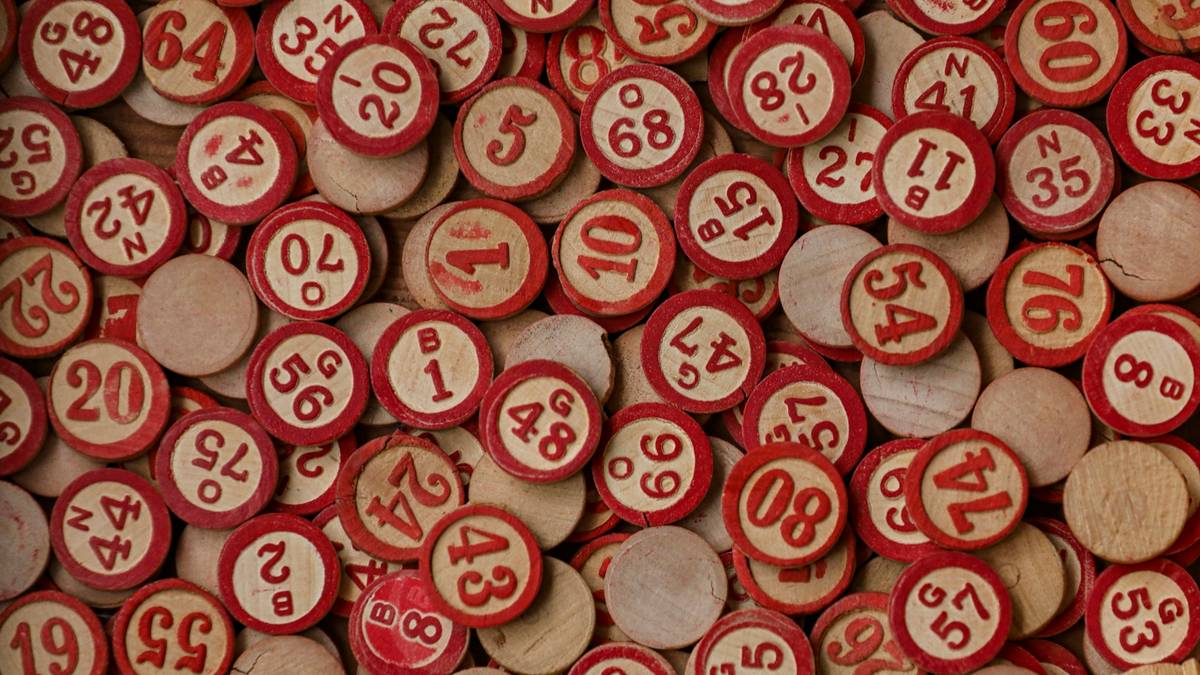


Keno is a lottery-style game in which 20 numbers are drawn from 80 and you win according to how many of your chosen numbers match. You decide how many numbers to play, called spots, and the pay table for that spot count sets the prizes. Pick 10 games, such as New York's, use the same 20-of-80 draw with a fixed choice of ten numbers.
How do keno odds work?
The odds of each result come from counting combinations, a calculation statisticians call the hypergeometric distribution. For any one number you pick, the chance it is among the 20 drawn is 20 in 80, or 1 in 4. Matching several numbers at once gets hard quickly. The odds of hitting all 10 on a 10-spot ticket run into the millions, while matching a few is common. The lottery's own pay table lists the odds for each tier, and we can check them from first principles.
Why does a Pick 10 ticket pay for zero matches?
Some games pay a prize for matching none of your ten numbers, because missing all ten is less likely than it sounds: with 20 numbers drawn, most tickets catch at least one. A zero-match prize is a design choice by the lottery. It is priced into the pay table like every other tier.
What is the expected return of a keno ticket?
Multiply each prize by its chance, add the tiers up and divide by the stake. That gives the expected return per dollar, which is always below one. Different spot counts and add-on options in the same game can return quite different shares, so the pay table is worth reading before choosing how many numbers to play.
Do hot and cold keno numbers help?
No. Each keno draw is independent. Results lists show some numbers drawn more often than others over a window, but pure chance produces gaps of that size on its own. The next draw still gives every number the same 1 in 4 chance.
How does Lucky Lotto cover keno?
We work from each game's official rules and pay tables, derive the odds for every tier, and turn the prize table into a return per dollar, in plain numbers.
Where should I start?
Read NY Pick 10 odds, prizes and how the draw works for the full odds of a 20-of-80 game, then Keno hot number lists against the 20-of-80 draw math for what results history can and cannot tell you.