

The Difference Between Soft Books and Sharp Books
A sharp sportsbook sets odds for accuracy. A soft sportsbook sets odds for volume. This distinction determines everything.
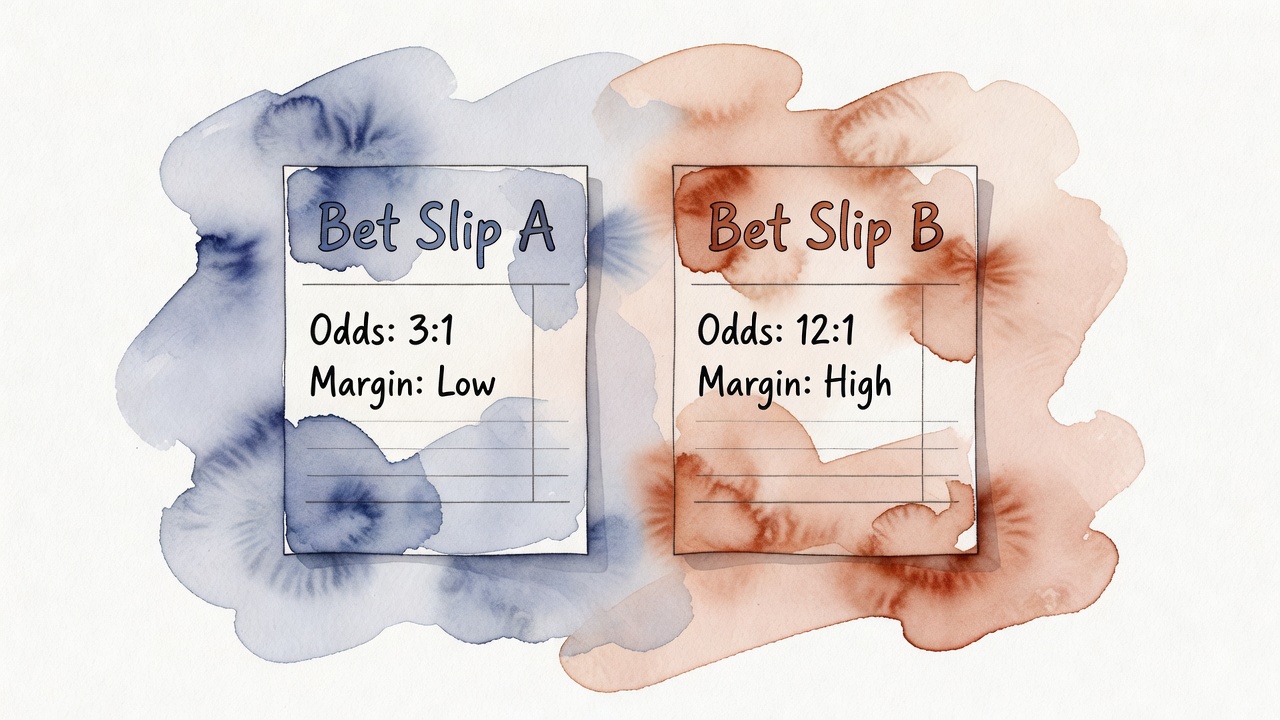
A sportsbook is a market. It sets a price (the odds), and bettors place bets. The sportsbook's goal is to maintain balance between the volume of money bet on each side while protecting against losses.
A sharp book is operated by people who understand the actual probability of outcomes. They set odds as close to true probability as possible. If the true probability of a team winning is 55%, they will set odds that require bettors to risk slightly more than even money, pocketing a small margin of 2-5%. The margin is their profit.
A soft book is operated by people who want volume, not accuracy. They set odds that they believe will attract more bets. If a team is popular, they might set odds that are too generous for the popular team, trusting that they will balance volume through other markets and by limiting winners.
The Practical Difference
Consider a game where the true probability of the favorite winning is 60%. A sharp book sets the odds at -150 (risk 150 to win 100, implying a 60% probability). A soft book, knowing the favorite is popular and bettors will overweight it, might set the odds at -130 to attract underdog bettors and balance volume while still earning a margin.
A sharp bettor loves the soft book. They can bet the favorite at -130, which is a better price than the true probability warrants. They are getting value. Over time, betting value accumulates into profit.
A casual bettor might lose money more slowly at a soft book if the book is generous on the underdog, but the soft book is still designed to profit from the crowd's biases.
Finding Sharp Books
Sharp books are harder to find and often have lower limits (they limit how much you can bet to reduce exposure to skilled bettors). They are often found in Las Vegas (major casinos like Caesars, Bellagio, Westgate) and offshore (Pinnacle, Maxbet, BetVictor). They attract professional bettors and handle large volumes from syndicates.
Soft books are easier to access and have higher limits. They include most state-licensed sportsbooks (DraftKings, FanDuel, BetMGM) and casual-oriented online books. They want volume from casual bettors.
The Edge
A professional sports bettor profits by finding value: situations where the odds offered by a book diverge from their estimate of true probability. Sharp books make this harder because their odds are closer to true probability. Soft books make it easier because their odds can be significantly off due to crowd behavior.
But soft books also limit winners. A bettor who consistently wins against a soft book will have their account reduced or closed. A sharp book will reduce limits but rarely closes winning accounts as long as they bet reasonable amounts and don't appear to be professional syndicates.
Conclusion
If you are a casual bettor wanting to preserve bankroll, you might prefer a soft book offering generous odds on your favorite bets. If you are a sharp bettor, you need to accept lower limits at a sharp book to access accurate odds. There is no perfect sportsbook for all bettors; the choice depends on your skill level and objectives.