

How Steve Wynn Reshaped the Las Vegas Strip
The Bellagio opened in 1998. It had a lake out front. Just water and lights and fountains, running on a schedule. No games, no tables, no house edge.
The Bellagio opened in 1998. It had a lake out front. Just water and lights and fountains, running on a schedule. No games, no tables, no house edge. Pure spectacle.
Wynn had realized something obvious only after it became difficult: the entire Las Vegas Strip was designed for 1975. Red carpet, cigarette smoke, low ceilings, tight rows of slot machines. It felt like a parking garage with cocktails. The question Wynn asked was whether a casino could feel like it had good taste.
The answer was yes, and it cost him two billion dollars to provide it.
The Bellagio fountain runs 1200 shows per year, each choreographed to a different song. Elton John plays a different show than Sinatra, which plays different from Celine Dion. The water height averages 80 feet. The pump system uses 22 million gallons per day. At full volume, the fountain costs about $10,000 per hour to run. It exists only to make the lobby feel grand. Every fountain show ends with the customer feeling either wonder or a vague sense that their money is being wasted to make a water feature more beautiful than their own life.
This is Wynn's actual innovation: he understood that the house edge is the same whether the carpet is red or cream. Whether there is classical music or slot machine noise. The margin per unit of customer time is identical. But the customer's willingness to stay for eight hours instead of four hours is not identical. The fountain is the mechanism that extends dwell time. It is carpentry for the soul.
The Details That Erased Decades
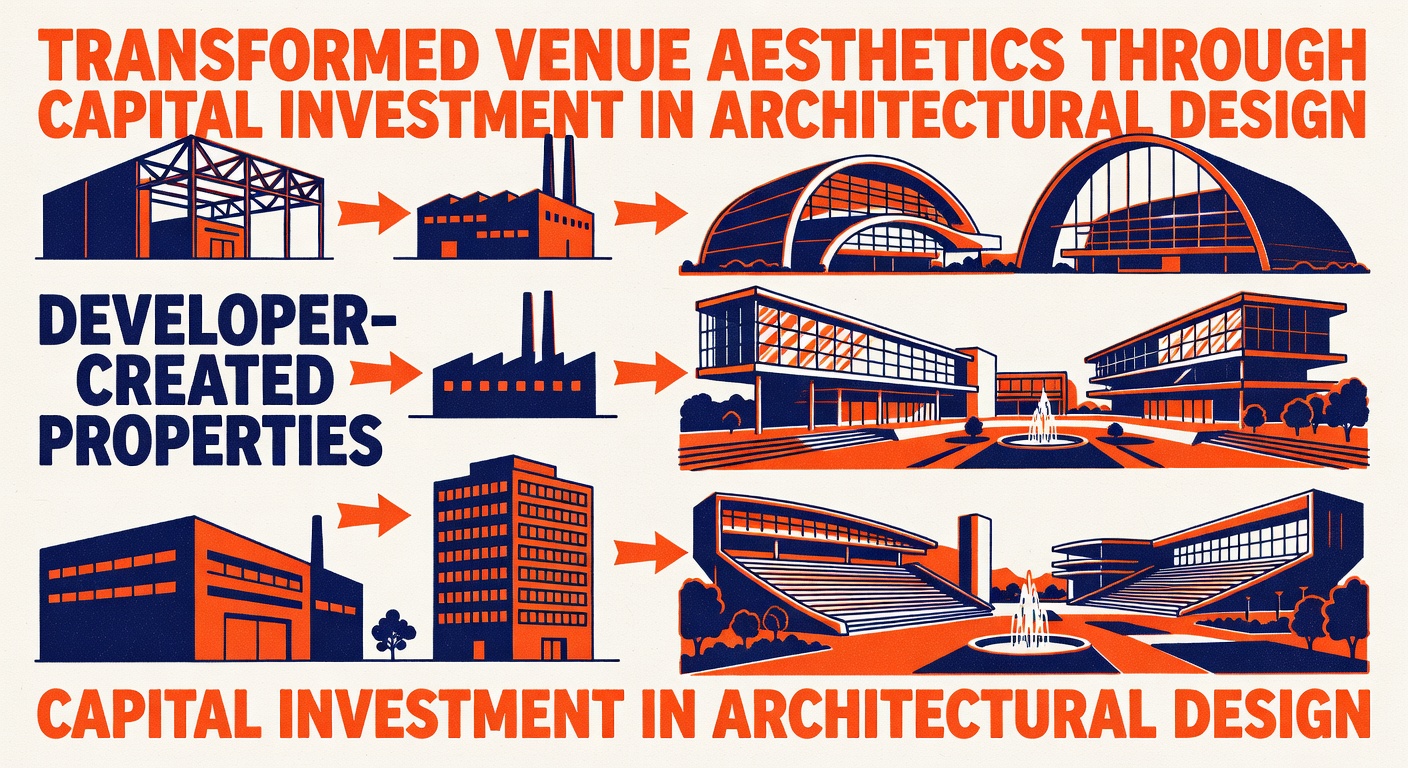
Wynn brought in architects and designers instead of the casino contractors who had been building the Strip. The Bellagio's ceiling height was 30 feet in most places, which feels like a cathedral instead of a parking structure. This is literally the only difference, and it changed the psychology of the entire venue. Customers felt less claustrophobic. They stayed longer.
The Bellagio's carpets were fine quality rather than industrial. The noise level was lower because Wynn had invested in soundproofing that previous operators considered wasteful. The lighting was dimmer and more sophisticated. None of this changed the games. The blackjack table at Bellagio has the same 0.5 percent house edge as the blackjack table at the Golden Nugget down the street. But the customer at Bellagio felt like they were making a choice, not a capitulation.
Wynn did this twice. The Bellagio in Vegas, then the Wynn Las Vegas itself in 2005, which was basically a more extreme version of the same thesis: eliminate everything that makes a casino feel like a utility, emphasize everything that makes it feel like a chosen destination.
The fashion designer Tom Ford helped design the Wynn's high-limit room. The color palette was gold and ivory instead of red and black. The seats were comfortable instead of cheap. A customer walking into that room felt like they were in a luxury hotel, not a gambling parlor. This was the entire point.
Other casinos copied parts of Wynn's design. The Venetian added high ceilings. The Caesars Palace renovation moved toward lighter colors. But none of them committed fully to the thesis because it is expensive to be boring in a good way. Wynn spent the money because he believed the margin per customer hour was worth more than the operational cost.
The result: Wynn properties have higher average bet size than competing properties in the same market. Customers at Wynn properties stay longer. They lose more money, but they feel better about it because the environment convinced them they had made a choice. This is the entire Wynn thesis. The building is the game. The games are just there so the building has something to do.