

Lottery Annuity or Lump Sum? Break-Even Return Worked Out
Mega Millions grows its annuity 5% a payment and the IRS withholds 24%. Here is how to find the return your lump sum must beat before you choose.

Take the annuity if you want a payout that rises on its own and is taxed one year at a time. Take the lump sum only if you can realistically invest the cash at a better after-tax return than the annuity already builds in. That built-in growth is published: Mega Millions pays its annuity as one immediate payment followed by 29 annual payments, each 5% bigger than the one before, and that rising ladder is what any cash plan has to beat.
The rest of this page works the comparison the way a numerate winner would: what each option pays, how to find the break-even return, and where federal tax moves the line.
Lump sum or annuity: what each lottery option pays
The cash option is the jackpot prize pool as it stands today, and the annuity is that pool paid back in rising installments. Every lottery take annuity or lump sum decision starts with those two figures from the draw you won.
Mega Millions describes its cash option as a single payment equal to all the cash in the prize pool. Powerball winners choose between a lump sum and 30 graduated payments over 29 years. As of October 2026, the two games set out their options like this:
| Mega Millions | Powerball | |
|---|---|---|
| Annuity payments | One immediate payment, then 29 annual payments | 30 graduated payments over 29 years |
| Growth per payment | 5% bigger than the previous payment | Graduated (the prize chart gives no rate) |
| Cash option | All the cash in the jackpot prize pool | One lump-sum payment |
For the check-by-check amounts, our lottery annuity payment schedule worked out lists every payment in order. This page stays on the choice itself.
Is it better to take lump sum or annuity? Find your break-even return
The lump sum is better only if your after-tax return on the cash beats the break-even rate: the yearly return at which the cash option, invested by you, would fund the same rising payments the annuity pays. Below that rate, the annuity wins on paper.
Working it out takes a spreadsheet and four steps:
- Write down the advertised annuity jackpot and its cash value for your draw.
- Lay out the annuity payments from the game's schedule. For Mega Millions that is a first payment now and 29 more, each 5% larger than the last.
- Find the discount rate at which the present value of those payments equals the cash option. A spreadsheet's rate or goal-seek function does this in seconds.
- Compare that rate with what you could earn after tax and fees, year after year, without touching the principal.
The break-even rate is a yardstick, not a forecast. Markets do not owe anyone a steady return, while the annuity's step-ups are written into the game rules. A winner who spends the cash faster than it earns falls behind a schedule that keeps climbing every year.
How federal tax shifts the lump sum versus annuity maths
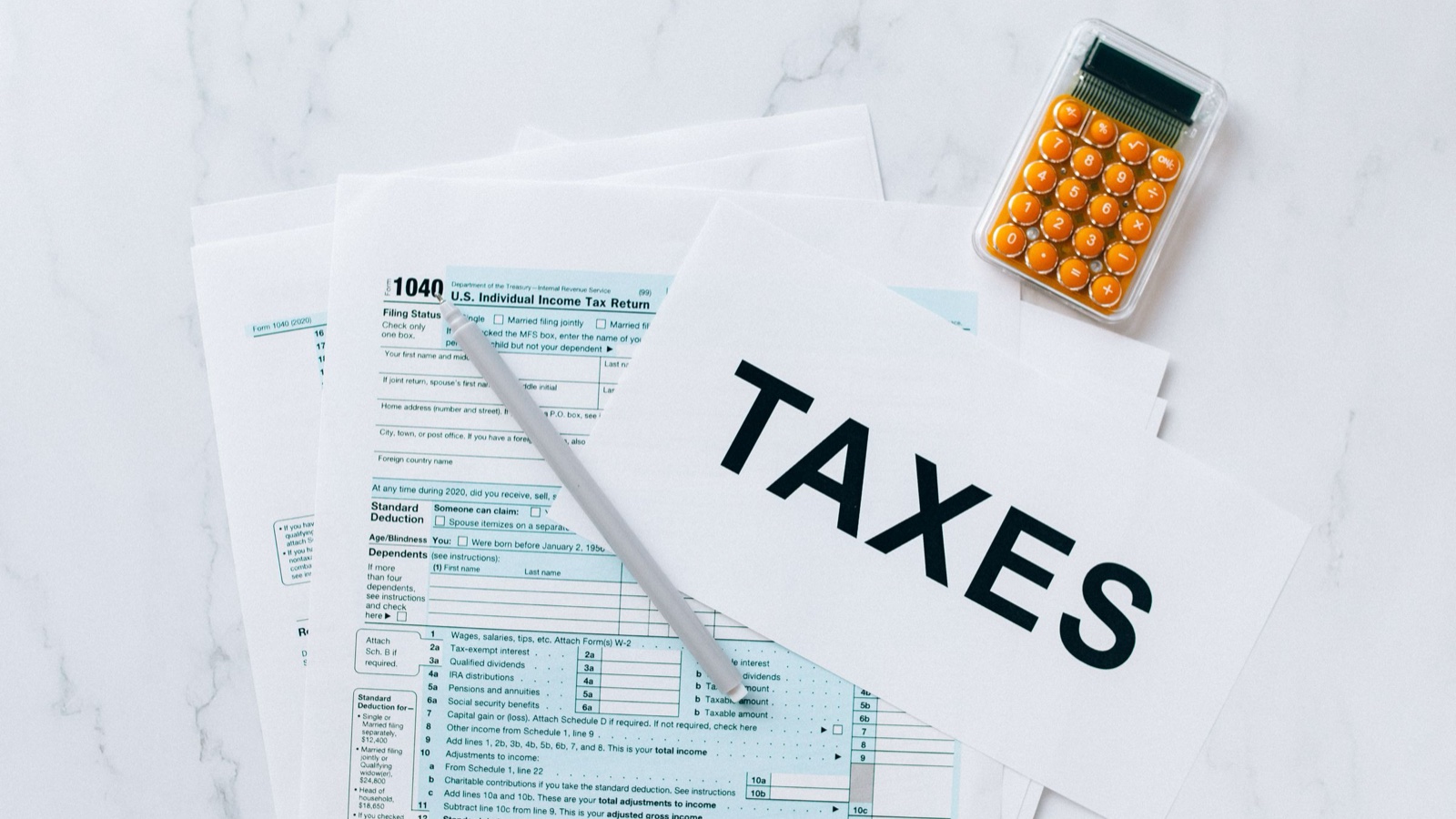
The bigger trap on a lump sum is withholding. Federal withholding on lottery winnings of $5,000 or more is 24%.
The top federal bracket for 2025 is 37%, starting at $626,351 of taxable income for a single filer and $751,601 for married couples filing jointly. A jackpot-sized lump sum lands almost entirely above those lines in a single year, so the 24% withheld when you claim leaves a gap you settle at filing time.
With the annuity, the lottery files Form W-2G every year for that year's payment, so each payment is taxed in the year it arrives. Large annual payments can still reach the 37% bracket. The difference is that the lump sum stacks everything into one tax year, while the annuity spreads it out. Run the break-even comparison on after-tax figures for both options, using the 2025 brackets as of October 2026.
The 60-day window for choosing
Under the IRS rule on choosing in time, a winner who picks a lump sum or an annuity of at least 10 years within 60 days of becoming entitled to the prize is treated as paid when the money actually arrives.
In plain terms, the cash option being on the table does not make the whole jackpot taxable up front when you take the annuity. Each payment is taxed as it is paid. The clock runs from when you become entitled to the prize, so do the maths early rather than on the last day.
When each option makes sense
- The annuity suits winners who want pacing built in, value rising payments, and doubt they can beat the break-even rate after tax.
- The lump sum suits winners with a concrete plan, professional advice, and a realistic expected return above the break-even rate, or a need for the money now.
- Either way, the jackpot was luck. The choice afterwards is arithmetic, and it is worth doing the arithmetic before signing anything.
Your odds questions
What is the biggest mistake a lottery winner can make?
On the payout choice, it is treating the 24% federal withholding as the whole tax bill. The top federal rate for 2025 is 37%, so a lump sum winner can owe a large balance when the return is filed.
What is the smartest thing to do with lottery winnings?
Before spending anything, work out the break-even return between the cash option and the annuity, compare both after tax, and make the choice inside the 60 days the IRS rule allows.
Is a lottery annuity taxed every year?
Yes. If the winner chooses an annuity, Form W-2G is filed each year for that year's payment, and each payment is taxed when it is actually paid.
How much does the Mega Millions annuity grow each year?
Each payment is 5% bigger than the one before. The schedule is one immediate payment followed by 29 annual payments.
Official sources
- Internal Revenue Service, Instructions for Forms W-2G and 5754, accessed October 2026
- Mega Millions, How to Play Mega Millions, accessed October 2026
- Powerball (Multi-State Lottery Association), Powerball Prize Chart, accessed October 2026
- Internal Revenue Service, Federal income tax rates and brackets, accessed October 2026
More from Lucky-Lotto Draw Desk


Related reads

Lottery Annuity Payment Schedule: 30 Checks Worked Out

Kashiwagi vs Donald Trump: The Freeze-Out That Never Finished

ICM Explained: How It Changes Tournament Decisions

What Is a Must-Drop Jackpot and How Does It Work?
How to Play Small Pairs in Early Position