

Lady Luck and the Depiction of Gambling in Classic Hollywood
Hollywood has always known that gambling is not really about money. It is about narrative. The films knew this better than the casinos did.
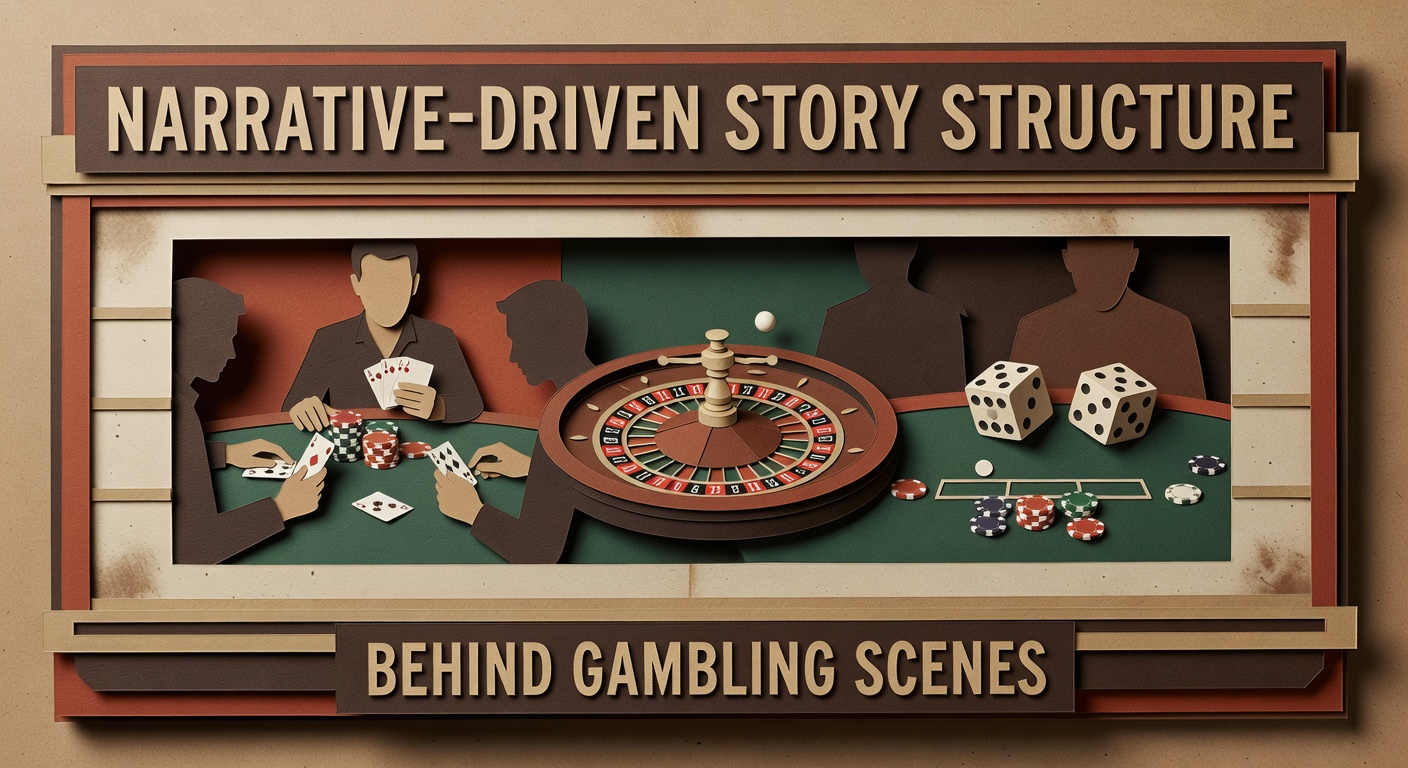
The classic Hollywood depiction of gambling arrived fully formed in the 1940s and has barely evolved since. The gambler is desperate but dignified. The game is the nexus of moral and financial stakes. The casino is a stage upon which character is revealed and tested. These are not documentary observations. They are narrative conveniences, and they work because gambling is genuinely useful as a plot device.
Casablanca (1942) uses gambling as character establishment. Rick Blaine is introduced at his casino, dealing cards. The game does not matter. The point is that he is a man who runs a game, who sits at the apex of information and power. When the Nazis appear, it is the casino that becomes the battleground. The chips are not money; they are tokens of dominance.
The Killers (1946) uses gambling as the mechanism by which an ordinary man becomes a victim. The protagonist is a boxer. He throws a fight. Not for courage or conviction, but for a woman and the money that would win her. The gambling frame allows the narrative to pose the question: At what point does a man sell himself. The answer arrives through cards and bets.
The Architecture of Risk in Cinema
Hollywood's genius was recognizing that gambling provides a compressed narrative timeline. In a single hand of cards, you can reveal character, establish stakes, and force a decision. A dinner conversation that takes five minutes of screen time takes two minutes at a card table. Tension accumulates faster. The audience reads the subtext immediately.
The Big Sleep (1946) does this with a smaller moment. Marlowe sits at a poker table. He has one line of dialogue. The way he places his bet, the way he reads the other players, tells the audience everything about his competence. The director Howard Hawks knew this. The poker game is not the plot. The poker game is exposition.
Ladies of Fortune (1931) uses gambling explicitly as a metaphor for female agency. The female protagonist enters a casino to win money to establish independence. The casino becomes the stage upon which independence is performed. The game is not realistic (it is Hollywood, after all), but the symbolism is audible to the audience.
The crucial point: Hollywood knew something the gambling industry was slower to understand. The gambling itself is not the draw. The drama surrounding gambling is. The tension, the stakes, the character revealed in the moment of decision. The industry built casinos as functional machines for processing money. Hollywood understood that casinos are theatres, and gambling is the script.
The depiction was consistent across decades. Sinatra in Ocean's Eleven (1960) is cool because he is controlled at the tables, not because he knows strategy. The characters are compelling because they are solving problems using gambling as a lever, not because the gambling itself is interesting. The games are almost incidental.
By the 1980s and 1990s, as Hollywood gambling films became more abundant, the depiction started to fracture. Rain Man (1988) uses casino gambling as a mechanism to reveal autism and savantism. The autism is the point; the gambling is the proof. Rounders (1998) attempts to treat poker as a moral examination of choices and consequences. Both films use gambling as the structural element, but with different purposes.
One film stands apart: The Sting (1973). The entire plot is a con designed to exploit the target's desire to gamble and his confidence in his read of people. The gambling is the frame and the mechanism. The con is the revelation that the human reading of character is fallible, that the casino is a machine for converting confidence into money, and that the only way to beat the machine is to become part of it.
The contemporary legacy: Most modern films have abandoned gambling as a serious narrative device. It has been relegated to montages and background colour. The poker boom of the 2000s produced no Hollywood films of note. The reason is that film requires time and dialogue and character work. Gambling does not. A film about gambling is really a film about something else using gambling as visual shorthand.
Classic Hollywood understood that. The game was never the point. The point was what the game revealed about the person playing it. The lady luck on the poster was not luck at all. She was narrative. And the best films knew how to wield her.