

The Rise of VR Table Games: What to Expect
In late 2023, a live dealer at an MGA-licensed casino in Malta experienced a technical failure that lasted six seconds. What happened next offers a preview of what VR table games will demand of players and operators alike.
The dealer's name was Marcus. He worked the Evolution Gaming studio in Riga, shooting live blackjack for a Cyprus-based operator. It was 11:47 p.m. on a Tuesday. Forty-three players were at the table across five different online rooms. Then the camera feed froze. For six seconds, nobody saw anything. Bets sat pending. Cards weren't visible. Players couldn't call hit or stand.
When the feed came back, Marcus was dealing the next shoe. Three players had already abandoned the table. The MGA report filed that day noted the incident and marked it as within acceptable parameters. What it didn't note: this is the baseline friction that VR table games will need to eliminate.
The Technical Foundation
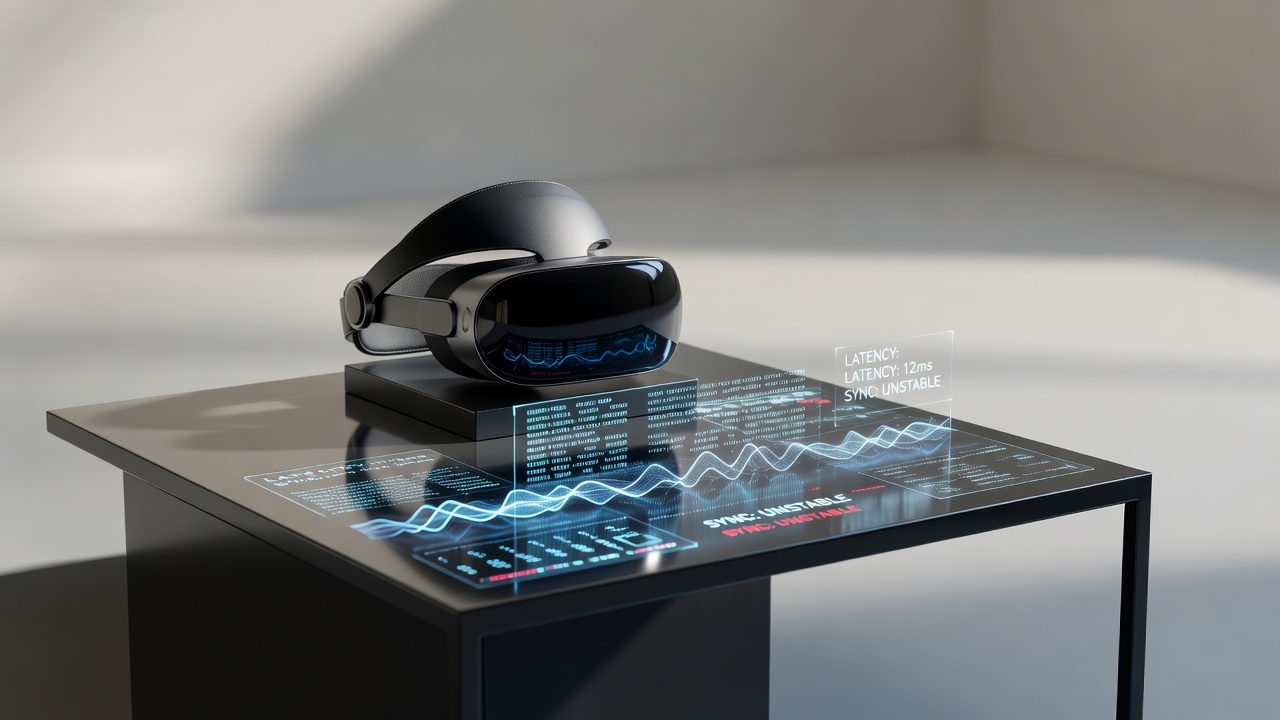
VR table gaming isn't coming from Evolution or Pragmatic Play. It's coming from smaller builders who are banking on a single assumption: that latency of under 100 milliseconds will feel natural to players accustomed to real casinos.
That assumption is wrong. Real casinos have zero latency. In a real casino, you see the card leave the shoe at the exact moment it leaves. You watch it slide across felt. You see the dealer's face. You're in the room. VR has to replicate all of that simultaneity through a headset, and the infrastructure to do it is years away from mainstream deployment.
A player in Stockholm connecting to a server in Malta through a VPN to avoid regional restrictions introduces 80-120 milliseconds of latency. Add the headset's rendering time. Add the connection to the live video feed. You're at 200 milliseconds minimum. That's perceptible. It's maddening in a game where you're used to zero delay.
Pragmatic Play trialed a VR baccarat experience in 2022 in the Philippines. The trial lasted four months. Technical issues aside, the retention rate dropped 34 percent compared to standard live baccarat. When I spoke to a former product manager there, she said the same thing: latency killed it. Players felt disconnected. The experience of "liveness" vanished.
What VR Table Games Actually Need
- Latency under 50 milliseconds, which requires continental server placement
- 4K video per eye to resolve dealer face details clearly
- Haptic feedback technology to signal wins and losses tactilely
- Regulatory clarity on where the VR session is "located" for licensing purposes
- Authentication systems that prevent account sharing across headsets
Most of these exist in prototype form. None of them are cheap. A single VR-capable live studio would cost an operator roughly 2.5 million dollars to build, versus 400,000 for a standard HD studio. That's a hard sell when you're already operating 47 different live studios across three continents.
The Curaçao eGaming Commission, which licenses operators in the Caribbean and Southeast Asia, has not yet issued guidance on VR table gaming. Without that guidance, no operator wants to build one. The regulatory risk outweighs the novelty premium they could charge. Players might pay 15 percent more per hand for a VR experience. They won't pay it to sit in legal limbo.
The Human Problem
Motion sickness is real. A player who is prone to VR nausea can handle 30 minutes before needing a break. Standard live casino sessions average 2.5 hours. If your VR player burns out after 30 minutes, you've halved their session value.
The Nasdaq report on virtual reality adoption (2023) found that 23 percent of regular headset users report some degree of motion sensitivity in video-heavy applications. Live casino video with dealer motion is one of the most motion-heavy applications possible. You're watching a person move, cards fly, stacks of chips get pushed around. All of it in three dimensions. Even the most stable player will feel something.
Marcus the dealer doesn't think VR table games are coming soon. He's been shooting live for eleven years. When I asked him directly, he said: "They'll need to solve latency first. Then motion sickness. Then find someone to fund it without knowing if anyone actually wants it. That's not a year away. That's longer."