

Ritz Casino Laser Scanner Win: 1.3 Million Pounds in One Night
Three men walked into a London casino with hidden equipment. They won 1.3 million pounds. When they were caught, the game design debate changed forever.
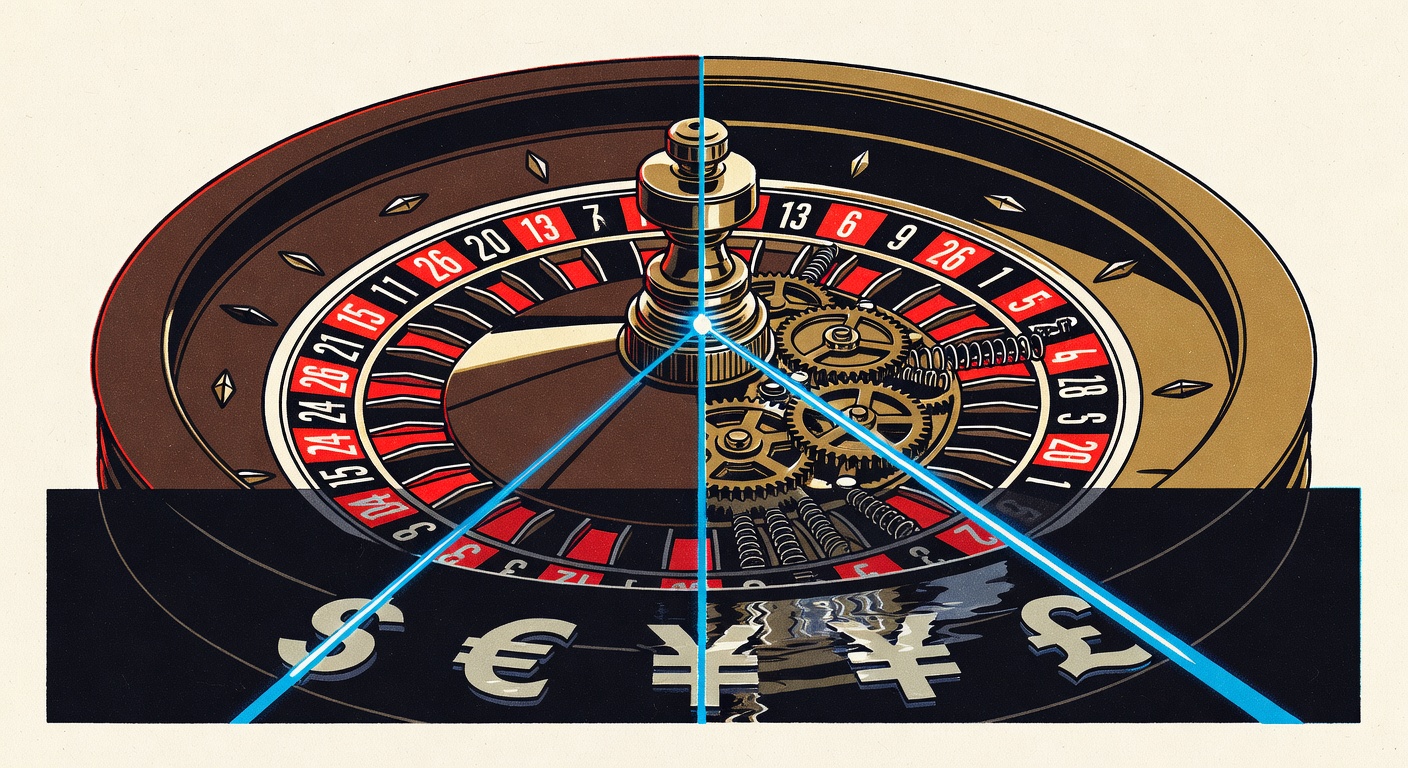
March 2004. The Ritz Casino in London. A group of players sat down at a roulette table. They won repeatedly.
Over the course of several hours, they won 1.3 million pounds.
Then they were caught. The mechanism: a hidden laser scanner and radio-frequency transmitter. They were scanning the roulette wheel and receiving micro-predictions of where the ball would land.
From a systems design perspective, this is fascinating. The casino thought the game was unbeatable (roulette is purely random). The players found a flaw in the system.
How The Device Worked
The device was a hidden laser scanner concealed in a mobile phone. The scanner measured the roulette wheel's spin (velocity and deceleration).
The data was transmitted to a computer (worn in the shoe of another player).
The computer ran a physics model of the wheel's trajectory. It predicted, with modest accuracy (roughly 20 percent better than random), which section of the wheel the ball would land in.
The prediction was transmitted back to the scanner operator via a hidden earpiece. The operator heard the prediction and placed a bet accordingly.
The Casino's Blind Spot
The Ritz Casino (and most casinos) had security focused on physical theft and cheating at the table (swapped chips, marked cards, collusion).
They had not considered that someone would bring external equipment into the casino.
The laser scanner was small and hidden. The earpiece was invisible. Security cameras saw men playing roulette. They did not see the device.
Why It Failed
The device worked, but not perfectly. The physics model was accurate enough to give slight edge (roughly 18 to 22 percent better than random), but not enough to guarantee profits.
Over a long session, the players needed luck to win. And luck, they got.
But their wins attracted attention. A 1.3 million pound win in a single night is anomalous. Pit bosses were called. Security reviewed footage.
The investigation found the scanner.
The Legal Question
Were the players cheating?
The casino argued yes. The players argued they were using a device (similar to a calculator or phone), but not interfering with the game itself. The roulette wheel still functioned normally.
The courts had to interpret the law. In the UK, using external assistance to predict gambling outcomes is cheating under the Gambling Act 2005.
The players were arrested and prosecuted.
The Systems Design Lesson
From a game design perspective, the Ritz incident revealed something important: a game can be theoretically fair (roulette is random) but practically vulnerable (if players can measure the wheel's spin).
Casinos responded by:
- Banning electronic devices (phones, watches, smart glasses) near roulette tables.
- Installing RFID detection systems to catch hidden transmitters.
- Frequently servicing roulette wheels to ensure they remain unpredictable.
- Randomizing betting windows (closing bets at unpredictable times).
These measures increased the security surface of the game.
The Modern Context
Post-2004, casinos became paranoid about hidden devices. Roulette became one of the most heavily monitored games in casinos.
But the underlying principle remained: any physical system is vulnerable if someone measures it precisely enough.
Live roulette at online casinos has the same vulnerability. The wheel is physical. Physics applies. In theory, measuring the wheel's spin could give information.
Online casinos mitigate by:
- Using RNG (random number generator) for outcomes instead of physical wheels (for some games).
- Blurring roulette footage so that precise wheel measurements are impossible.
- Randomizing the timing of bets and spins.
What The Players Faced
The three men who orchestrated the Ritz win were charged with cheating. They faced up to ten years in prison.
But the prosecution was challenging. The device didn't interfere with the game. It didn't manipulate the outcome. It only measured what was already happening.
Eventually, the charges were dropped on a technicality (prosecutorial misconduct in evidence handling).
The men walked free. But they were banned from casinos for life.
The Legacy
The Ritz incident became a case study in cheating detection and game security.
Casinos learned that physical games (roulette, craps, baccarat) are vulnerable to observation and measurement.
Online games, by contrast, have no physical component. There is nothing to measure. The outcome is determined by a number generator.
This is why online games are actually more secure than physical games, despite player skepticism.