

GAMSTOP in the UK: An Introductory Guide
GAMSTOP is a system in the United Kingdom that allows people to exclude themselves from licensed gambling operators. It is free. It is simple.
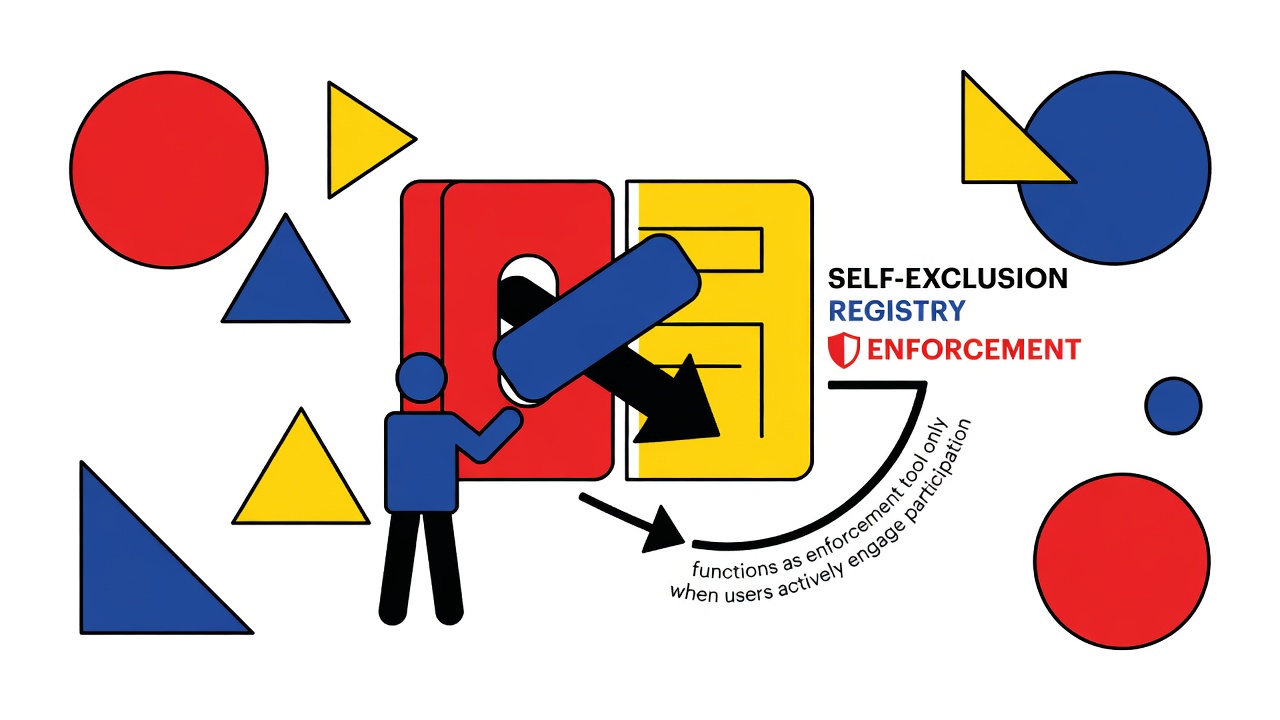
GAMSTOP is a system in the United Kingdom that allows people to exclude themselves from licensed gambling operators. It is free. It is simple. And most people who need it do not use it.
Here is how it works. You visit the GAMSTOP website. You answer a few questions about yourself: your name, your date of birth, your address. You select a duration for your exclusion: six months, one year, five years, or indefinite. You submit the form. Your information is shared with every UK-licensed gambling operator.
Once you are on the GAMSTOP register, those operators are required to block your account or refuse to open a new account. If you call them and ask to be unblocked before your exclusion period ends, they must refuse. The exclusion is binding.
The purpose is harm reduction. For someone who has lost control of their gambling, GAMSTOP removes the ability to access the most regulated and most legitimate operators. It does not prevent gambling entirely (unlicensed operators are still accessible and illegal gambling exists), but it removes the primary path.
The problem is that GAMSTOP only works if you want it to work. If you are truly compulsive, the exclusion will feel like a prison. You will resent it. You might spend months planning how to circumvent it. You might use someone else's name to open accounts. You might travel to an unlicensed operator.
When It Helps
GAMSTOP is most effective for people who are serious about stopping but struggle with willpower. A person who has decided to quit but finds themselves opening accounts and playing can use GAMSTOP as an external lock. The system prevents the easy choice. It forces the person to either wait out the exclusion or go to the effort of circumventing it, which might give the person time to reconsider.
For someone who is in crisis, GAMSTOP is less effective. A person in crisis will seek ways around it. They will find unlicensed sites. They will borrow money from family or friends specifically to gamble. GAMSTOP becomes another frustration in a series of frustrations.
The solution for crisis-level problem gambling is professional help. Gamblers Anonymous, therapy, family support. GAMSTOP is a tool. It is not a cure.
I have seen people use GAMSTOP responsibly. They exclude for one year, use that year to develop healthier habits, and when the exclusion lifts, they choose not to gamble. I have also seen people use GAMSTOP as theater. They exclude, tell their family they are taking action, then find unlicensed operators and gamble anyway.
The system works best when combined with genuine intention. GAMSTOP is a guard. But you have to want the guard to work. If you are using GAMSTOP, use it properly. Wait out your exclusion period. Use the time to build new patterns. Do not look for ways around it.
And if you find yourself resenting the exclusion and working to circumvent it, that is a sign you need more help than GAMSTOP alone can provide. Talk to someone. Your family. Your doctor. A counselor. The gambling was a symptom. The exclusion is a treatment. But if you are resisting the treatment, you need to address what is underneath.