

How Gambling Licenses Work: A Technical Breakdown
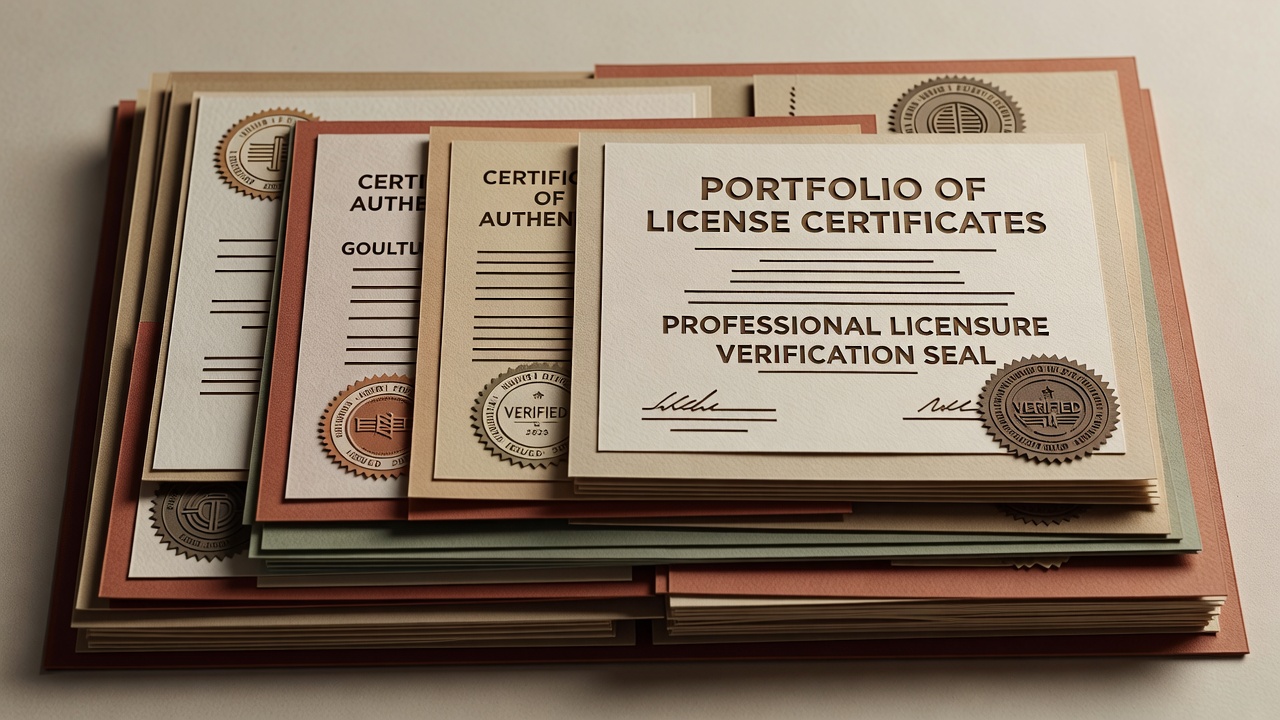
A gambling license isn't a single approval. It's a portfolio of certifications, regulatory filings, and ongoing compliance requirements. Here's what's actually involved.
I spent forty years under the lid of slot machines. Bally cabinets, IGT systems, Aristocrat terminals. I know how machines work. But licenses aren't machines. They're bureaucracy. Necessary bureaucracy, but still.
A license is a document that says: this operator is allowed to run gambling in this jurisdiction, under these rules, for this period of time. Seems simple. It's not.
The Core Components
When you look at a jurisdiction's licensing framework, you'll find a few basics that are almost universal. Every legitimate operator needs approval to operate. Every game software needs approval. Every casino site needs payment processing approval. These are separate approval tracks. A casino can have a license to operate but fail to get a specific game approved. That game doesn't run until it passes testing.
The United Kingdom Gambling Commission requires operators to meet standards in player protection, financial security, and anti-money-laundering compliance. Malta's gaming authority requires similar. The system varies by jurisdiction, but the categories are consistent: operator license, software license, payment processor authorization.
Operator Licensing
An operator is the company running the casino. They need a license to exist as a gambling business in a specific territory. This license requires financial disclosure. If you're applying for a UK license, the commission wants to know who owns the company, who funds it, whether anyone with financial interests has a criminal history. They want to know your capital requirements. How much money do you need in reserve to cover player losses and fund operations.
Most jurisdictions require minimum capital. The UK requires operators to have enough liquid assets to cover their running costs for a set period, typically six to twelve months. If you're running an online casino with a million pounds in monthly costs, you need that million pounds available, not in assets, but in cash.
There's also the matter of fit and proper persons. Every officer, shareholder with significant stake, board member: these people undergo background checks. If you've been convicted of fraud or financial crime, you won't get a license. This is where many applications fail. Not because the business idea is bad, but because someone on the team has a record.
Game Licensing
Every game software needs separate approval. iTech Labs or Gaming Laboratories International tests the code. They verify that the RNG is cryptographically sound. They simulate millions of plays to confirm the RTP matches the published return. They check the game's limits: minimum and maximum bets, jackpot caps, win limits.
For example, you can't claim a 96% RTP and then have code that achieves a 91% RTP. The testing labs catch this. They also verify the games are hardened against cheating. Can someone manipulate the bet amount through clever input. Can a player trigger features that shouldn't be available in certain states.
The testing process typically takes weeks. The lab charges a fee: a few thousand pounds for a single game, more for complex games with multiple modes. Large operators with portfolios of hundreds of games spend substantially on testing.
Ongoing Compliance
A license is not a one-time approval. It's ongoing obligation. Operators file regular reports. Player complaint numbers, financial results, marketing compliance. If your player loss data suggests you're targeting vulnerable customers, regulators take notice. If your anti-money-laundering processes fail, that's grounds for investigation.
Many jurisdictions now require operators to hold player funds in segregated accounts. This means player money is separated from operational funds. If the casino goes bankrupt, player deposits are protected. The Gambling Commission takes this seriously. An operator without proper segregation can be shut down mid-operation.
"A license is an agreement: the operator says it will follow the rules, and the regulator says it will enforce them. Break the agreement, and the license disappears."
The Practical Mechanics
I'll be direct: licensing is expensive. A casino applying for a UK license will spend hundreds of thousands on legal consultation, compliance setup, and administrative costs. They'll need accounting systems that report in specific formats. They'll need player protection tools: deposit limits, time limits, self-exclusion systems. None of this is optional.
For software, testing adds months to a release schedule. You finish coding a game. Then testing finds an issue. You fix it. You retest. You iterate until the lab signs off. This is why legitimate casinos run older software than you'd expect. The current version went through testing three years ago. The next version is in the pipeline.
Why This Matters
When you see a casino with a Malta Gaming Authority license or a UK Gambling Commission approval, these mean something. They mean the operator has passed financial scrutiny. It means the games have been tested. It means there's a regulatory body that will take action if the casino breaches its obligations.
This doesn't mean licensed casinos are risk-free. But the risk is bounded. If the casino steals your money, there's a regulator to complain to. If the games are rigged, the testing protocols would have caught it.
Unlicensed casinos avoid all this. No testing. No financial requirements. No regulator oversight. They can promise anything because there's no one to hold them accountable.
Understand the difference. Licensing isn't theater. It's an infrastructure of accountability built to replace personal trust with institutional check.
After forty years, I'll tell you: the machines I worked on had integrity because someone was watching, and the watchmen had power. That's what a license means. Scrutiny. Authority. Consequence.
Same principle whether you're talking about a slot cabinet or a software platform.