

Fruit Machines vs Modern Slots: What Changed
The fruit machines of the 1980s were mechanical and simple. The modern slots are software and designed. Everything changed except the house edge.
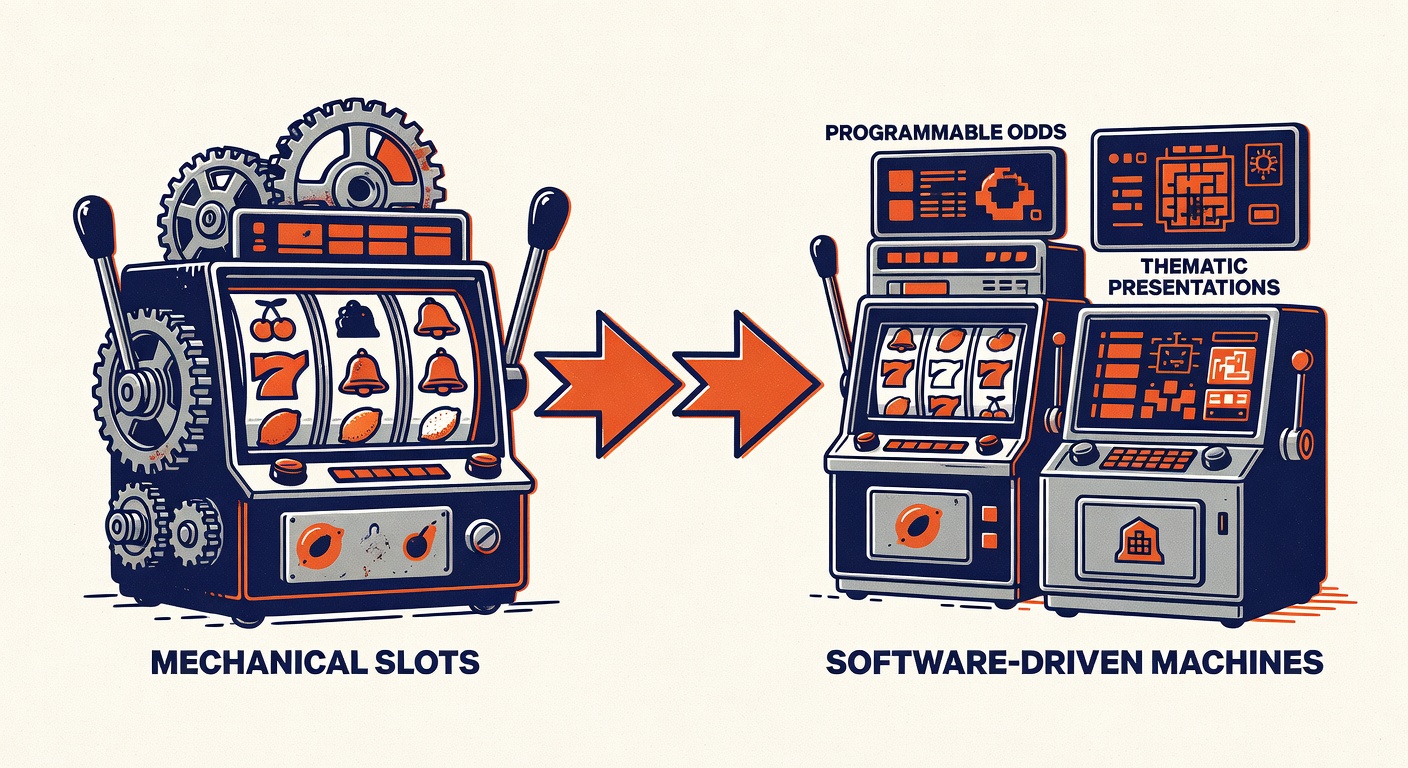
I ran a bookmakers shop in London from 1985 to 2005. We had fruit machines in the shop, taking up space, generating revenue while people waited for results on the horses. The machines were mechanical. Reels, springs, a dial showing the payout. You put your money in and pulled the handle.
The odds were terrible. A fruit machine in a bookmakers in 1990 had about a 10 percent house edge. You were donating a dime of every pound. But people played because they were bored and they could win something.
The machines were simple. Pull the handle. Watch the reels. Collect your payout or start again. No sound design (except the mechanical whirring). No light show. Just mechanical action.
Modern slots are nothing like that. The mechanical components are gone. Everything is software. The reels are not physical reels that spin and stop; they are images on a screen that animate the decision the RNG has already made.
The house edge is better now, in a way. A modern regulated slot in the UK has about 4 to 6 percent house edge, depending on the setting. The government requires this. A fruit machine in 1990 had three times that edge because no one was checking.
The complexity is what changed. A fruit machine had three reels with maybe seven symbols on each. Modern slots have five reels with dozens of symbols, bonus features, progressive jackpots, animated sequences, sound design, narrative progression.
The Mechanics of Evolution
The fruit machine was designed to maximize simplicity. The player pulls the handle. The reels spin. The payout is calculated mechanically. The entire interaction takes maybe 20 seconds.
A modern slot has multiple decision points. Which bet size. Which number of paylines. Whether to use the autoplay feature. The game takes longer to explain than the old machines. The volatility is higher. The bottom end of the game is more depressing, but the top end is more euphoric.
The fruit machines had fixed locations. You played them in the pub, the bookmakers, the arcade. Modern slots are everywhere: online, on your phone, at casinos, at convenience stores in some countries. The distribution network is infinitely larger.
The data collection is the most dramatic change. A fruit machine had no way to track player behavior. It was mechanical. A modern online slot tracks everything: your bet size, how long you played, which features you used, whether you cashed out or reloaded. This data is analyzed and used to optimize the game. The next version of the slot will be designed to extract more money based on the data from the previous version.
The fruit machines had no updates. They were what they were. Modern slots are constantly being updated, rebalanced, tuned based on how players are using them. A slot you played last month might have been reworked since then.
The regulatory landscape changed too. UK fruit machines were lightly regulated. Modern UK slots are heavily regulated. Licensed operators, RTP disclosure, player protection tools, anti-fraud measures. The regulation makes the games fairer and more transparent, but it also means you cannot play the loosest machines anymore.
I have played the old fruit machines and the modern slots. The modern ones are better designed. They are more engaging. The house edge is lower (if you are playing regulated versions). But the basic economics are the same: You are paying for the experience and the casino is making money off your loss.
The old machines had a virtue: they were boring. The boring kept people from playing too much. Modern slots are engineered to be interesting. The interestingness is engineered to keep you playing. That is the difference. Not the mechanics, but the psychology.