

Cooling-Off Periods at Online Casinos: What They Are
Cooling-off periods are a relatively recent invention in gaming regulation, designed to introduce a moment of pause into the gambling decision. Their history reveals how regulators think about harm.
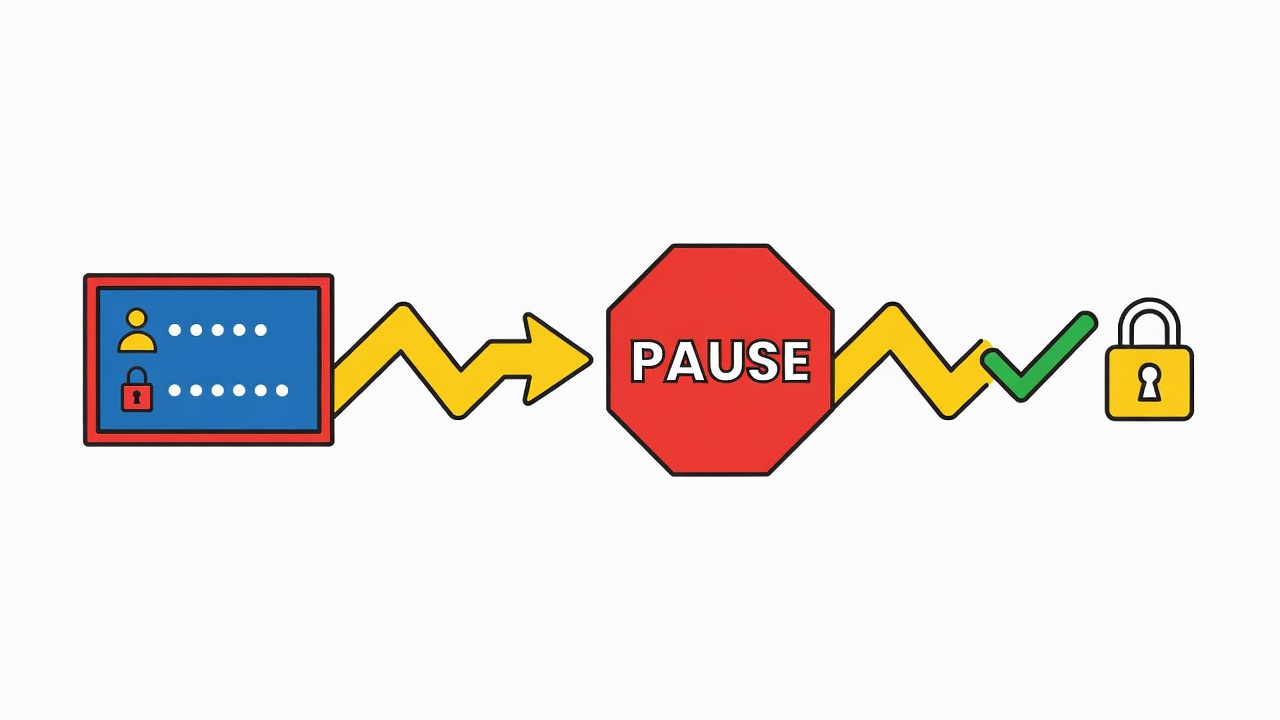
The cooling-off period, as a formal regulatory instrument, emerged in the early 2000s in European gaming jurisdictions. The concept was simple: force a mandatory delay between a player's decision to deposit money and the moment the deposit actually processes. The purpose was to create a pause in which a person in the grip of gambling impulse might reconsider.
The first formal regulations requiring cooling-off periods appeared in Denmark (2005) and the United Kingdom (2007). Denmark's Spillemyndigheden implemented a 24-hour cooling period for first-time deposits of over 500 Danish kroner. The UK's Gambling Commission followed with less stringent requirements, mandating only that operators "offer" cooling periods rather than forcing them. The difference between "mandate" and "offer" is where the regulation begins to reveal its true strength.
Regulatory Evolution and Jurisdiction
By 2012, when Swedish gambling regulators (Spelinspektionen) took over the market following monopoly privatization, cooling-off periods had become the de facto standard across Northern Europe. Sweden required a 1-hour cooling period before deposits processed. Malta's MGA (Malta Gaming Authority), which licenses operators serving global markets, recommends cooling periods of 24 hours for high-risk players (those flagged by behavioral algorithms) and 1 hour for others.
The European Union's 2014 guidelines on responsible gambling mentioned cooling periods as "a valuable tool for harm reduction," though they stopped short of mandating them across all member states. The difference reflects political reality: some countries saw cooling periods as necessary safeguards; others saw them as obstacles to liquidity and competitive advantage.
During the same period, some jurisdictions went further. Nevada and New Jersey, which regulate online poker and sports betting, do not mandate cooling-off periods for deposits. Instead, they focus on account self-exclusion, which is a permanent or temporary ban on play initiated by the player. The rationale was that a person determined to gamble will find a way during a 24-hour wait; better to give them a tool to exclude themselves entirely.
Cooling-off periods reflect a belief in the value of time. The assumption is that a moment to think is a moment to choose differently.
How Cooling-Off Actually Works
When implemented, a cooling-off period functions as a hard technical block. A player initiates a deposit via credit card, e-wallet, or bank transfer. The system accepts the request and places it in a queue. For 24 hours (or whatever duration is mandated), the deposit cannot be processed, and the player cannot access the funds. After the period expires, the deposit processes automatically unless the player cancels it.
The player is typically notified by email. Some operators require the player to actively confirm the deposit after the cooling period expires (an affirmative step). Others process it automatically (a passive default). The affirmative requirement adds a second moment of choice; the passive default is more customer-friendly and increases follow-through.
Cooling-off periods are sometimes conflated with "loss limits," which are mandatory maximum losses within a session or day. They are distinct. A loss limit tells you when to stop. A cooling-off period tells you to wait before you start. The logic is different.
Evidence and Efficacy Questions
The empirical evidence for cooling-off effectiveness is sparse and mixed. A 2016 study by the University of Melbourne surveyed 1,200 online gambling users and found that 73% were unaware their chosen platform had a cooling-off period. Of those who were aware, 12% said it had ever caused them to reconsider a deposit. The sample size was small, and self-reporting introduces bias (people may minimize the effect of cooling periods on their behavior).
A longer-term study by the British Gambling Commission (2018) analyzed account data from two major operators over 18 months. Players who had used cooling-off periods once were 23% less likely to make large deposits in subsequent months. But the direction of causation was unclear: did the cooling-off period change behavior, or did the player who triggered it become cautious for independent reasons?
The strongest evidence is indirect. Players in jurisdictions with mandatory cooling-off periods (24 hours, hard block) show slightly lower problem-gambling rates than players in jurisdictions with optional cooling periods (if available, often shorter, sometimes waivable). But multiple confounding factors exist. Stricter cooling-period jurisdictions tend to have other protections as well.
The Philosophical Underpinning
Cooling-off periods are rooted in a particular theory of gambling harm: impulse control. The theory states that many problematic gambling decisions are made in a state of heightened arousal, and that a period of time allows the rational mind to reassert control. This is sometimes called the "arousal-regulation model."
The theory has merit for some people and some situations. A player on a losing streak, emotionally activated, deposits money to chase losses. A 24-hour delay gives them time to sleep, to talk to someone, to step back. The moment often changes the decision.
But the theory breaks down for others. A person who has decided to gamble, been told to wait 24 hours, and then waits patiently for the cooling period to end has not overcome an impulse; they have successfully delayed gratification. They are now more committed to the decision, not less.
Current Practice and Critiques
Modern online operators in regulated markets typically offer cooling periods and sometimes force them for high-risk accounts. High-risk accounts are identified by algorithms that detect rapid re-deposits after losses, consecutive sessions, or session lengths that exceed thresholds. A player flagged as high-risk may find that a 24-hour cooling period is not optional but mandatory.
Critics of cooling-off periods argue that they are performative: they create the appearance of player protection without substantially changing behavior for the most vulnerable players. The people most likely to be harmed by gambling are also those most likely to wait patiently through a cooling period if it means they can gamble. More direct tools (mandatory affordability checks, automatic loss limits, account suspension after losses exceed a threshold) may be more effective.
Defenders of cooling-off periods argue that even if the effect is modest, some protection is better than none, and the cost to operators is minimal. A 24-hour delay does not significantly affect revenue for casual players. For the occasional player who it does affect, the protection is genuine.