

How to Control Tilt and Stay Focused at the Poker Table
The regulatory framework for responsible gambling requires operators to monitor for problem play. The first monitor should be you.
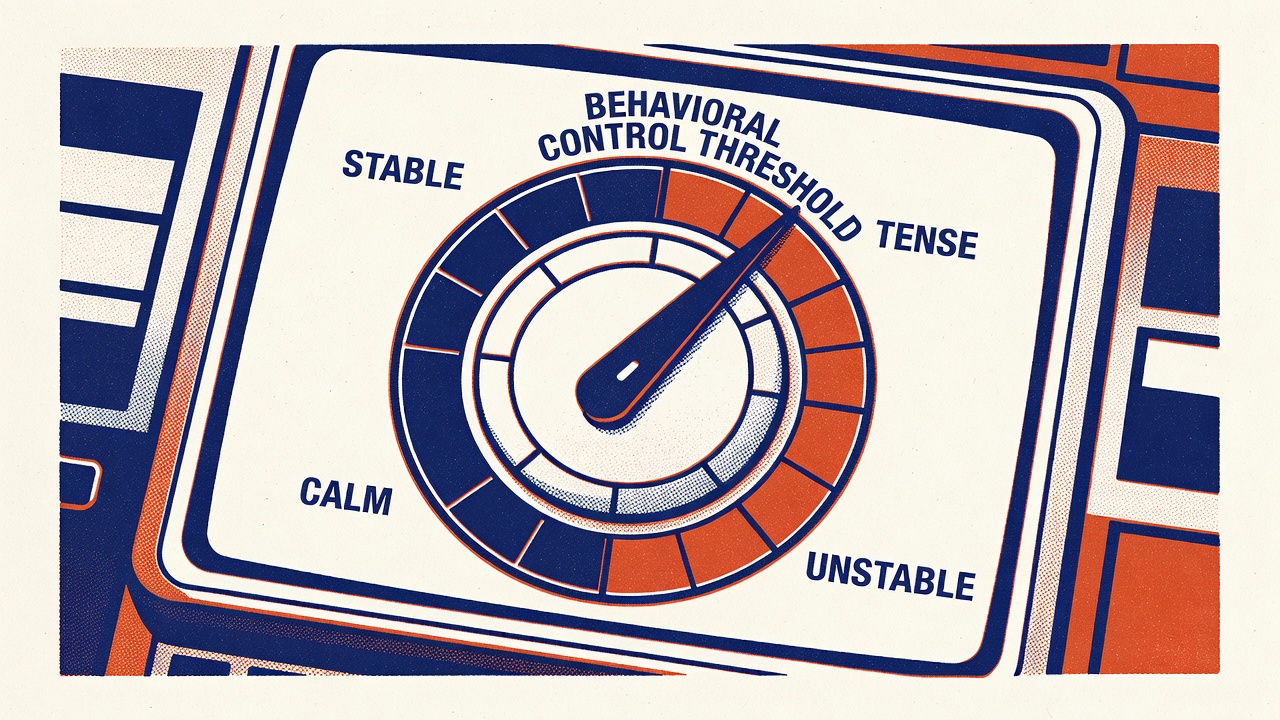
The term "tilt" refers to playing in an emotionally compromised state. A player has suffered a bad beat. The player becomes frustrated. The player's subsequent decisions are guided by emotion rather than logic. The player makes bad plays in hopes of recovering the loss quickly. The player loses more.
The psychological mechanism is well documented. A loss activates the loss aversion region of the brain. The individual becomes willing to take greater risks to recover the loss. This creates a feedback loop where bad decisions lead to further losses which lead to more desperate decisions.
Tilt is particularly dangerous in poker because the game has significant variance. A player can make perfect decisions and lose due to chance. The frustration of making the right play and losing anyway creates cognitive dissonance. The player might begin to doubt their decision-making process. They might start making worse plays to "regain control."
Here is what I have observed. A player on tilt plays more hands, bets larger amounts, and calls more often. A player on tilt becomes predictable. Other players at the table sense it and exploit it. A tilted player loses money faster than a calm player.
The solution is simple but difficult: leave the table. If you are tilted, you are not going to make good decisions. The longer you stay, the more you lose. The best play is to accept the loss and quit for the day.
The Implementation
Some operators now offer self-exclusion periods for players who report tilt symptoms. A player can request a three-day timeout. During that period, they cannot log in. This gives the player space to recover emotionally.
Professional players use different methods. Some take a walk. Some play a different game to reset the psychological state. Some simply avoid playing when they know they are tilted.
The regulation framework now requires operators to monitor for signs of problem play. Rapid betting increases, extended play sessions, repeated losses with increasing bet sizes. These are all tilt indicators. Responsible operators will flag a player exhibiting these behaviors and offer support or temporary restrictions.
The responsibility for controlling tilt begins with the player. No regulation can force you to quit when you should quit. Only you know when you have lost perspective. Only you can choose to leave the table.
If you recognize tilt in yourself, implement an immediate stop-loss. Before you sit down, decide what loss you can tolerate. When you reach that loss, you leave. Period. No exceptions. This removes the emotional decision-making at the worst moment. The decision was already made in a calm state.
Bankroll management is also crucial. If your entire bankroll is at the table, you are more likely to tilt because you are playing scared. If your bankroll is large relative to your current table stakes, you have psychological safety. A loss hurts less. You can make calm decisions.
Tilt is a regulation issue because it contributes to problem gambling. But it is primarily a player issue. The player must recognize it, understand it, and take steps to prevent it.