

Calciopoli and the Cost of Cheating
When Juventus rigged Serie A in 2006, they exposed something darker than corruption: the machinery of human weakness that says, "Just this once, we'll bend the rules." Every gambler knows that feeling.
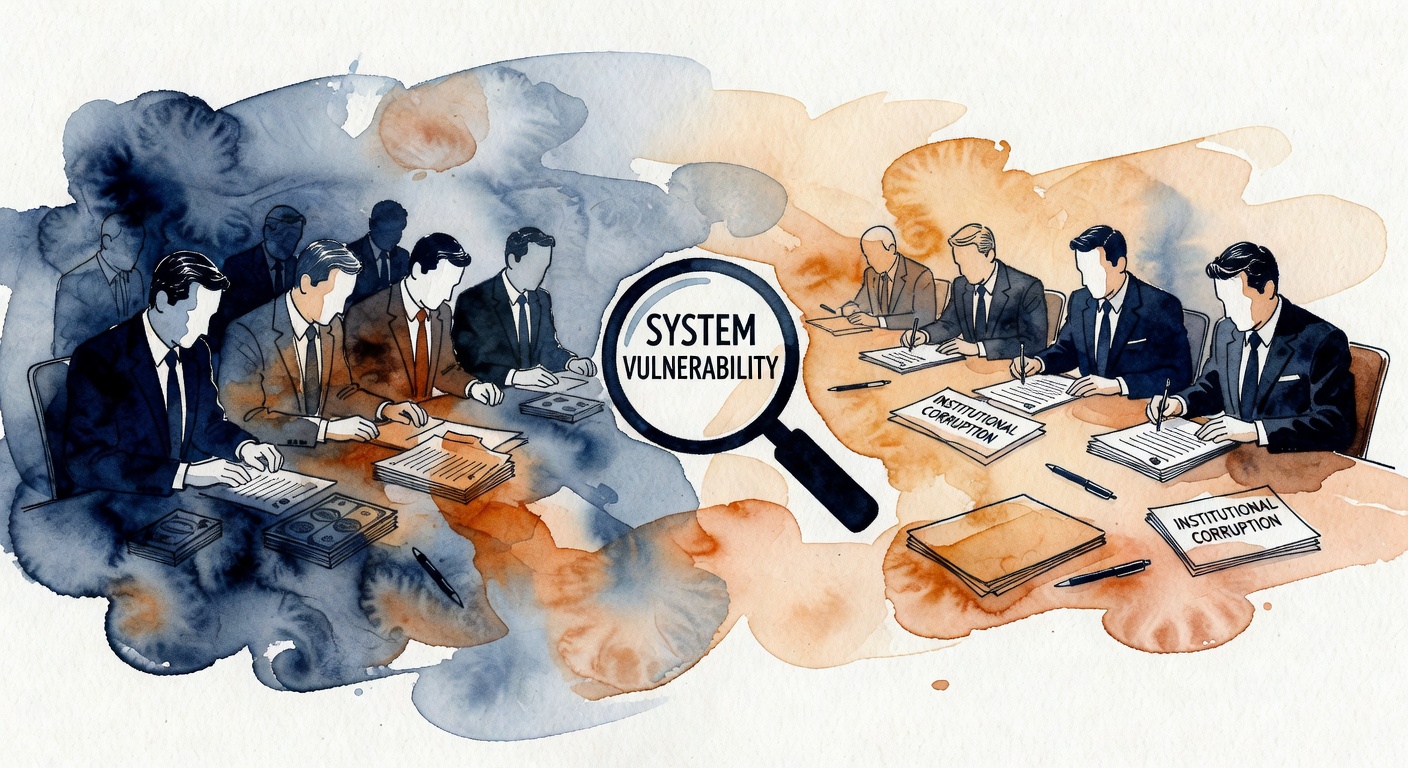
Juventus got caught with their hand in the cookie jar. 2006. Italy. The biggest football scandal in decades, and what it teaches us about gambling is worth a hard look.
The Setup: Power and Desperation
There's a moment every tempted man knows. You're close. You can taste it. Just a little help, just one small bend, and you take the thing you want. That's where Juventus was in the mid-2000s. AC Milan and Inter were rising. They had the money, the foreign stars, the momentum. Juventus felt the ground shift beneath their feet.
So they did what the powerful do when they panic: they reached for the lever no one's supposed to touch.
The Calciopoli scandal, as the Italian press named it, was systematic. Juventus fixed referees. Not just one game. Not just one season. Years. They called their contact, they made requests, and officials showed up to matches knowing already what the result would be. The referee would find a way to influence the game. A penalty that wasn't there. A card to a key player. The machinery of the match bent to order.
Gamblers understand this machinery in their bones. You're sitting at a table. You know the math says fold. You know your bankroll can't absorb another loss. But there's a voice inside that says, "Just this one hand. Just bend the odds a little." Juventus was that voice, amplified across an entire league.
Why This Matters to Anyone Who Bets
The scandal revealed something that should chill anyone who's ever placed a wager: the fix was organized enough to hide for years. The Italian Football Federation didn't catch this. Journalists did. And even then, because of Italy's baroque legal system, punishments dragged on for appeals and reversals. Juventus lost a title, got relegated for a year, paid fines. But the damage to trust was clean and permanent.
When you place a bet, you're trusting that the game is real. That the outcome isn't predetermined by someone in a back room. Calciopoli proved that trust is fragile. It proved that money, panic, and access to power can erode that trust faster than you can check the latest odds.
"The line between winning and cheating isn't as thick as we'd like to believe. It's a membrane. Pressure on one side, and it tears."
Gamblers and football fans share something: the need for honest contest. Without it, the whole enterprise collapses into noise. Your bet becomes worthless. The game becomes theater.
The Reckoning
Here's the part that sticks: Juventus didn't just lose a championship. They lost something harder to rebuild: legitimacy. Their next title, in 2012, people questioned. Their next big win, people whispered. That's the real penalty for cheating. It's not the fine. It's the permanent shadow.
For anyone betting on football, Calciopoli is a reminder to know your league. Know your league's regulatory culture. Where's the money? Who's vulnerable? Who stands to gain from fixing a match? Italian football has cleaned up since 2006, but the lesson is broader. Corruption moves. It doesn't disappear. It adapts.
The biggest moment in Juventus's story came before they got caught: the moment someone in the boardroom said, "Yes, let's do this." That's the moment every gambler, every fan, every person who loves a clean contest should think about. Not as judgment. As warning.
Because the choice is always yours. You can play the game as it is. Or you can reach for something you're not supposed to touch. Juventus reached. The cost is still being paid. And every bettor who lost money on a fixed match paid it too.