

Top 10 Branded Slots Based on Movies and TV Shows
Movie slots are not new. The first Terminator machines hit in 2000. What changed is the quality of the implementation.
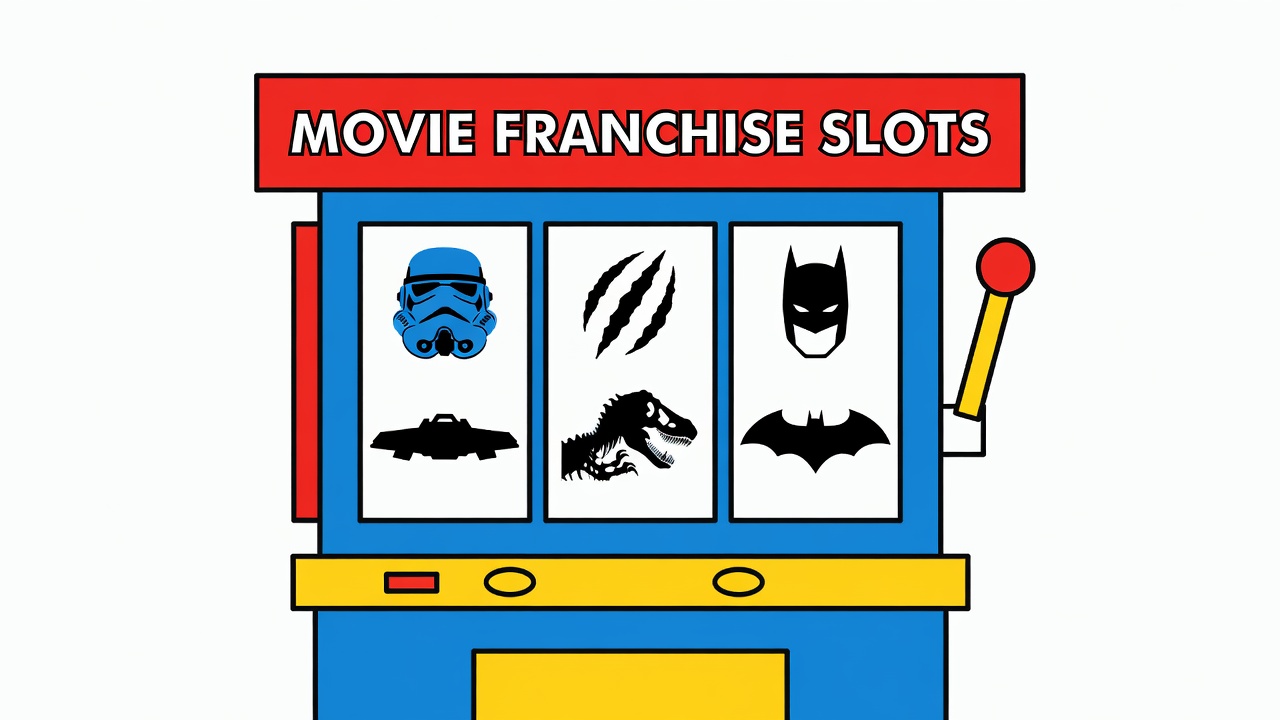
Branded Slots as Asset Licensing
The studios own the intellectual property. The game makers pay for the right to use it. The operator installs it. Everyone makes money off your losing. That is the model.
When a studio licenses a property to a game maker, the studio gets an upfront payment plus a percentage of revenue. Movie rights are expensive. A major franchise like Terminator or Jurassic Park requires deep pockets. Only large operators can afford to install them. This is why branded slots cluster in Vegas, Atlantic City, and Macau.
Terminator 2
Terminator 2 was the first major movie-branded slot to hit real casinos. The IP licensing deal was significant. The game itself was good for its time. Decent graphics. Recognizable soundtrack. T1000 appearing during bonus rounds. The game made money for the operator and the studio alike. It set the template.
Game of Thrones
Game of Thrones slots were everywhere in the early 2020s. The show had ended, but the IP still had value. The game makers (usually Microgaming or IGT) licensed it. The bonus rounds featured scenes from the show. Landing on a wildfire symbol triggered free spins. The psychology is simple: people who loved the show might feel closer to it by playing a slot with the branding. They are not. The branding is just theming. The game underneath is standard slots with a 95-97% RTP, same as every other machine.
Marvel and DC
Superheroes are everywhere. Spider-Man, Batman, Iron Man. These IPs make sense for slots because the visual style translates easily. A spinning reel with Iron Man symbols, a free-spins round with the Avengers, scatter symbols showing villain symbols. The movie tie-in feels natural. The revenue split between Marvel and the operator makes the license worth maintaining.
The Operator's Perspective
Branded slots cost more to install than generic slots. The upfront cost is higher. The licensing agreement has ongoing costs. But they attract players who would not play otherwise. A Game of Thrones fan might sit down at a branded machine just to see the theme. They might not have gambled otherwise. This customer acquisition justifies the cost.
The Technical Side
Modern branded slots are designed in partnerships. The studio approves aesthetics. The game maker handles probability and mechanics. The operator handles installation and maintenance. The PRNG (random number generator) is always identical to standard slots. The branding is decoration. The math is not negotiable.
Which Branded Slots Are Actually Common
The ones with recent big releases: anything Marvel, anything DC, anything with recent movie hype. Older properties (Terminator 2) are rarer now because the licensing deals move on. Properties with ongoing cultural relevance (Game of Thrones, Breaking Bad) stay installed longer.
The Player's Perspective
Branded slots are fun if you like the IP. The theming adds something. But the game underneath is standard. The odds are standard. Playing a Terminator slot does not give you an edge over playing a generic slot. The brand does not change the house edge. It just makes the loss feel more thematic.
The Revenue Reality
Branded slots generate about 10-15 percent more revenue per machine than generic slots, in large casinos. This higher revenue justifies the higher licensing costs. For the studio, licensing a major IP to a game operator is passive income. Universal, Sony, Warner Bros all do this. The IPs generate revenue across multiple channels. The slot machine is just one more.
The landscape of branded slots changes every few years as licenses expire, renewals happen, and new properties emerge. Right now, expect more fantasy properties and more superhero properties. Expect more video game IP to show up in slots as the gaming audience overlaps more with the gambling audience. Expect less older-franchise stuff as the cultural moment passes.